OKX Spot Trading Analysis: How the Millisecond Matching Engine Works

What happens between submitting an order and having it filled? When markets move fast and order books shift by the second, the real determinant of trading experience is whether the matching engine can complete order matching at the millisecond level. In August 2026, OKX spot trading set a new single-day volume milestone, supported by this battle-tested underlying system.
Since its launch in 2017, OKX (OUYI) has treated spot trading as its core business. Unlike early systems relying on a single matching queue, OKX spot trading uses in-memory matching with multi-threaded parallel processing and distributed deployment, keeping order latency stable at the millisecond level.
The Matching Engine: From Adequate to Millisecond-Level
The matching engine is the heart of an exchange. OKX spot trading processes limit and market orders in separate queues, matching them through classic price-priority and time-priority rules. To eliminate single points of bottleneck, the team introduced lock-free queues between the order gateway and the matching core, greatly increasing orders processed per second.
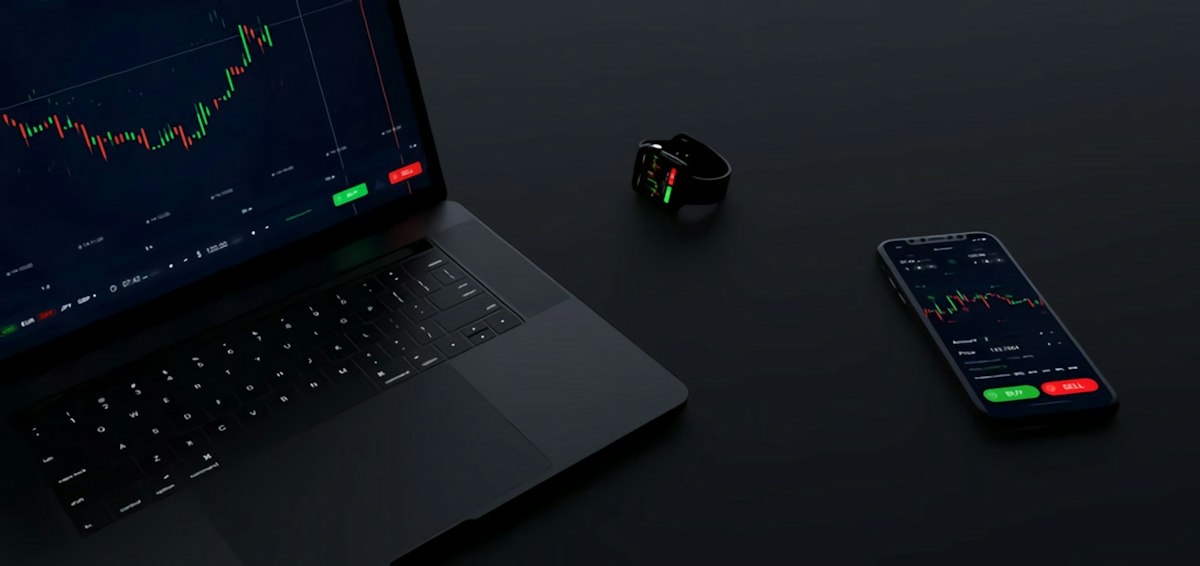
The industry's definition of "fast" now goes beyond response speed. OKX spot trading focuses on the stability of order book depth. Depth refers to the abundance of orders at different price levels. The deeper the order book, the less impact large orders have on price, and the lower the slippage. Taking BTC/USDT as an example, OKX spot maintains ample orders across multiple price levels, allowing institutional buy orders to build positions without significantly pushing up price.
One trader commented in the community that OKX spot keeps its order book orderly even during extreme volatility. Behind this is the coordination of risk control and matching: when prices fluctuate rapidly, the system dynamically adjusts the pace of orders entering the matching queue to avoid execution anomalies.
Low Fees and Multiple Coins
Beyond performance, cost is another hard metric. OKX spot uses a tiered fee system based on your 30-day volume and holdings, with higher tiers enjoying lower fees. For ordinary users, the base fee is competitive, and periodic promotions further reduce costs.
Coin coverage also matters. OKX spot supports over 400 coins, spanning major coins, public chain tokens and emerging assets. Every new listing undergoes strict project evaluation and liquidity review to ensure compliance and safety.
Real Data Behind the Design
One user with a three-year OKX account said: "Orders fill almost instantly, depth is more solid than expected, and slippage on large orders is minimal."
According to OKX, spot system availability stays above 99.9%, and average matching latency is below 10 milliseconds. These are not isolated claims but repeatedly verified figures for high-frequency quantitative teams, for whom a millisecond difference can mean the line between strategy validity and failure.
Another subtle design is the clear separation of market and limit orders. OKX distinguishes them with explicit prompts and shows estimated cost and slippage before execution, keeping users in control of price while pursuing speed.
Back to the opening question: from submission to execution, OKX spot trading answers with millisecond matching, deep order books and transparent fees. For traders still choosing a spot platform, the balance of performance and cost may be more trustworthy than any slogan. Download the OKX App to experience millisecond spot trading.
User Comments (6)
Two years on OKX spot, depth is stable, large orders have minimal slippage, orders fill instantly. This analysis hits the point.
Running quantitative strategies on OKX spot, latency matches expectations. The technical breakdown is professional, not vague.
Fees are indeed low, and the limit/market separation design is practical for beginners.